| |
 |
|
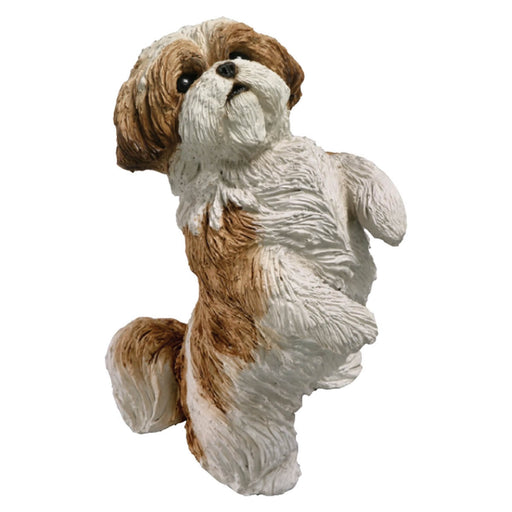
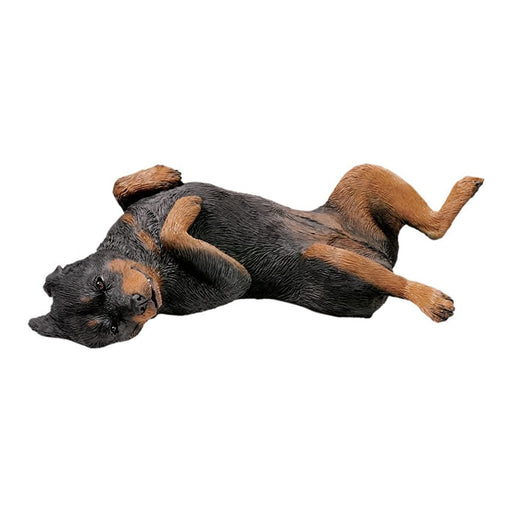
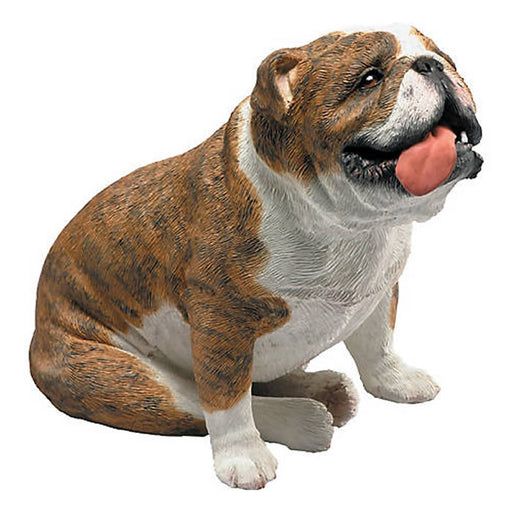
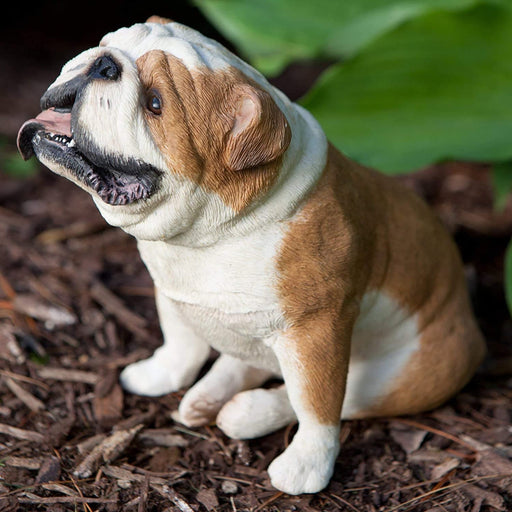
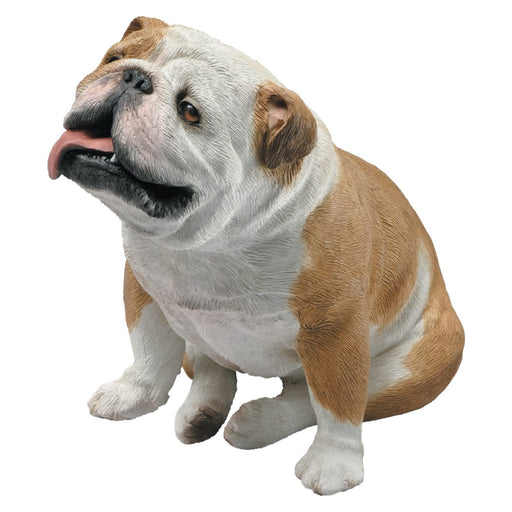
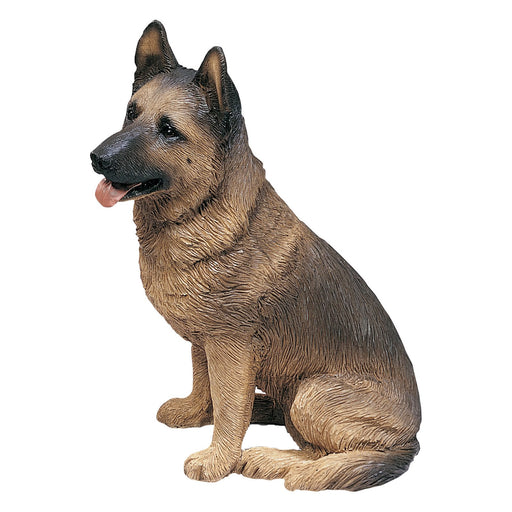
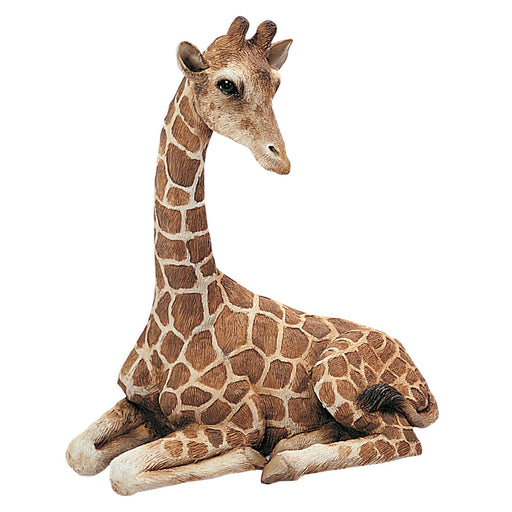
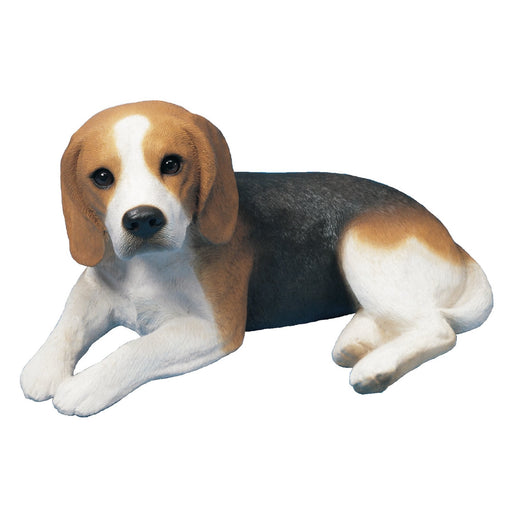
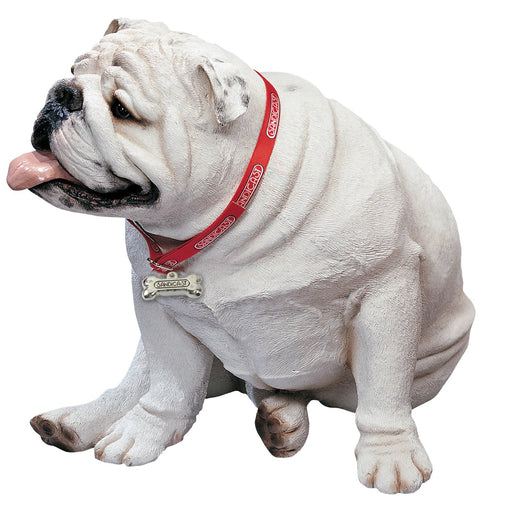
The original Sandicast sculptures
are made with an oil-based clay that never hardens.
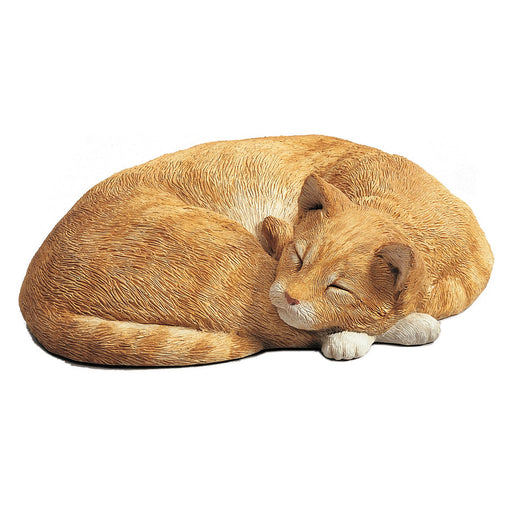
The softness allows Sandra to take her time in recreating
the intricate detail of an animal's hair and fur. Only
after making many trips to see her current subject,
and only when she is finally sure that the sculpture
is perfect, will she then begin to put the hairs on
the animal. Each individual hair is etched one at a
time. Brue doesn't take any shortcuts by using a rake
or comb. The hair itself can take days to complete,
but the end result is definitely worth it. |
| |
 |
|
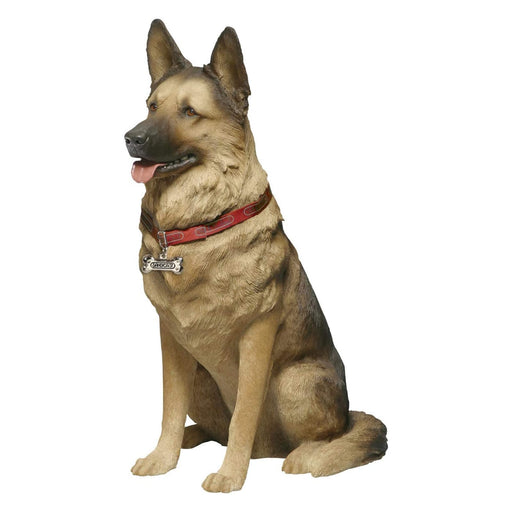
Sandra Brue's clay original
is used to make a casting mold. Next, a special cast
stone mixture is poured by hand into the mold. While
hand-casting is a slow, methodical process, once again,
the result is worth the time and effort. The sculpture
will be free of flaws and bubbles, and every little
detail is captured--whether it be the texture of an
ear or a little curled tongue. |
| |
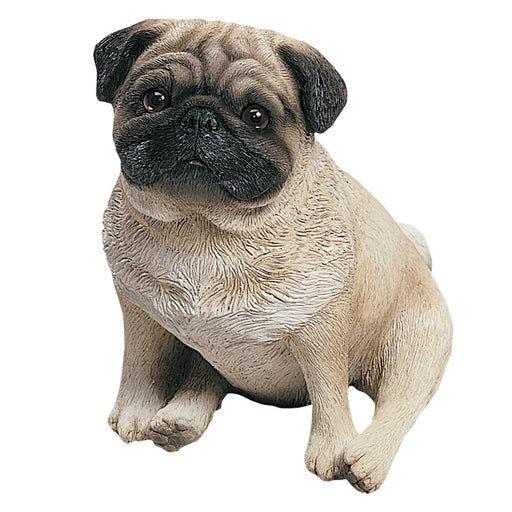
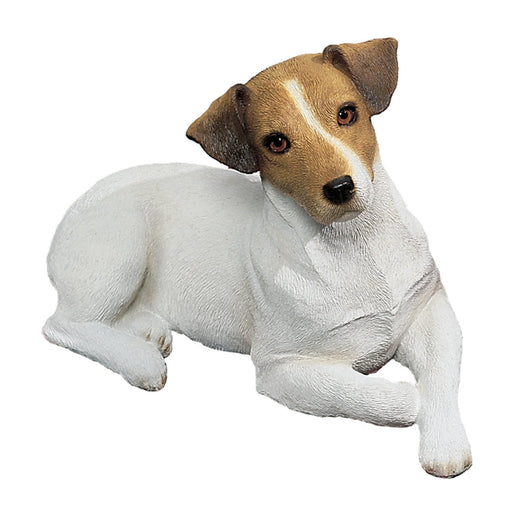
| Once the casting is done, each
Sandicast sculpture must be inspected to make sure that
it passes strict, quality control standards. After passing
inspection, the sculptures can then be painted. The Sandicast
artisans use both bristle and air brush methods of painting.
The use of multiple painting techniques requires more
time and costs more to produce, but the end result makes
it worth the effort. Sandicast creates the highest quality,
most realistic, and lifelike sculptures on the market
today. |
| |
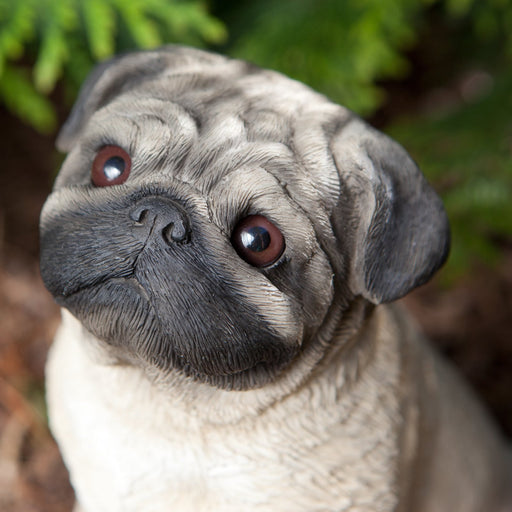
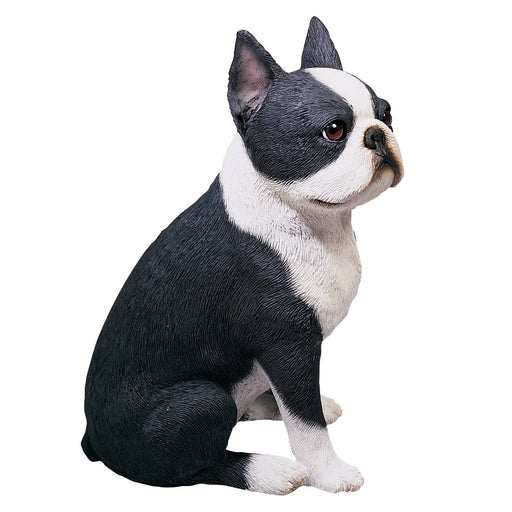
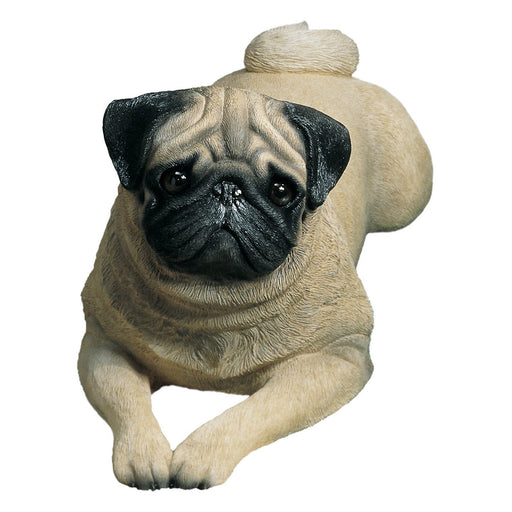
| The addition of specially crafted
glass eyes is the final touch. The sparkle of glass eyes
adds warmth and many are custom made for Sandicast. Often
people comment when looking at Sandicast animals, "It
feels as if they're staring right back at you!" |
|
|
|