Outdoor Statues & Sculptures
Transform gardens, patios, entryways and landscapes with distinctive outdoor statues in bronze, fiberstone, resin and metal.
Transform gardens, patios, entryways and landscapes with distinctive outdoor statues in bronze, fiberstone, resin and metal.
Discover outdoor statues and sculptures that bring beauty, character and lasting visual impact to gardens, patios, courtyards and landscaped spaces. From graceful figures and wildlife designs to fountains, religious sculptures and large statement pieces, each work offers a distinctive way to personalize your outdoor setting.
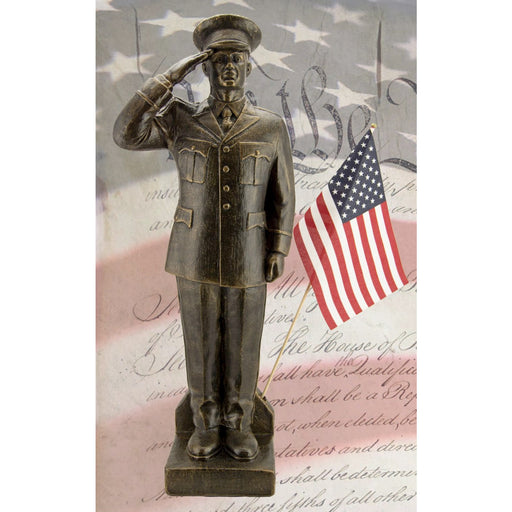
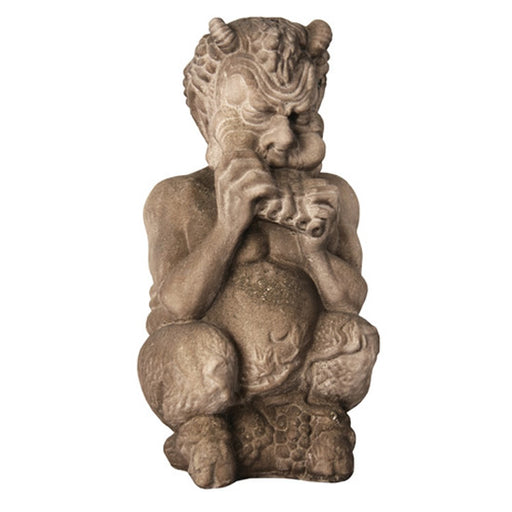
Size: 14"H x 10"W x 8"DMaterial: AluminumWeight: 5.5 poundsMade by San Pacific International/SPI Home Shipping Information:FREE SHIPPING in the Con...
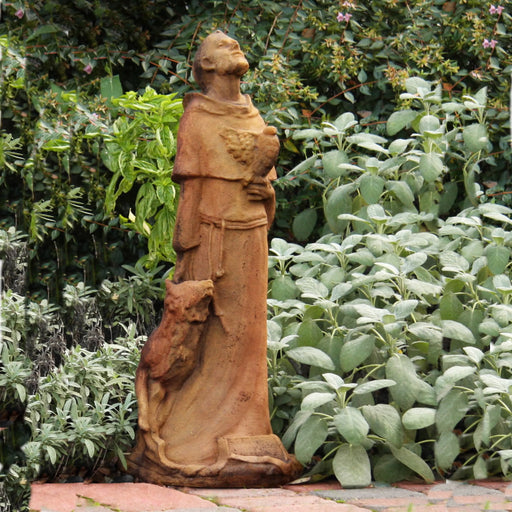
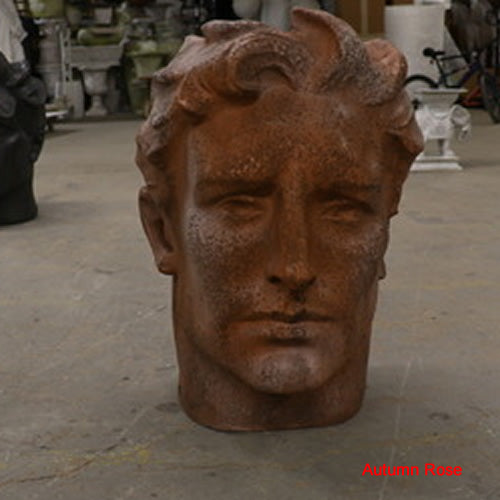
View Full DetailsSize: 29"H x 11"W (75 lbs)Created From Premium Cast StoneHandcrafted in the USASuitable for Indoor or Outdoor Garden UseShipping Information:FREE ...
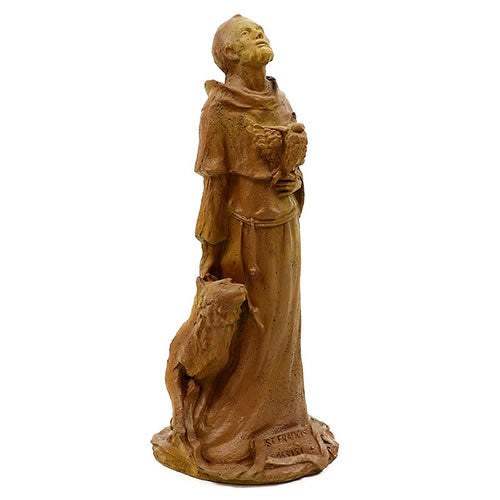
View Full DetailsSize: 30"H x 12"W x 7"D (54 lbs)Base Size: 7"W x 7"DCreated From Premium Cast StoneAvailable in Bronze or Gray FinishHandcrafted in the USASuitable...
View Full DetailsSize: 30"H x 12"W x 7"D (54 lbs)Base Size: 7"W x 7"DCreated From Premium Cast StoneAvailable in Bronze or Gray FinishHandcrafted in the USASuitable...
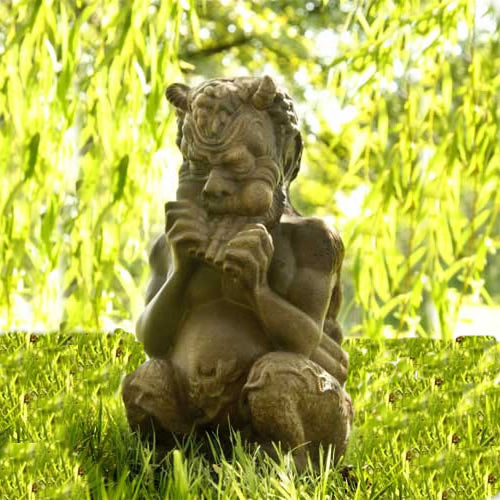
View Full DetailsSize: 27"H x 12"W x 12"DWeight: 9 poundsFinish as Shown: SandstoneCreated From Fiberstone, a Weather Resistant Mixture of Stone and FiberglassAvail...
View Full DetailsSize: 14"H x 8"W x 7"DWeight: 9 poundsFinish as Shown: EarthtoneCreated From Fiberstone, a Weather Resistant Mixture of Stone and FiberglassAvailab...
View Full DetailsSize: 30"H x 12"W x 7"D (54 lbs)Base Size: 7"W x 7"DCreated From Premium Cast StoneAvailable in Bronze or Gray FinishHandcrafted in the USASuitable...
View Full DetailsSize: 25"W x 19.5"H x 12"DWeight: 16 poundsFinish as Shown: Sandstone & White MossCreated From Fiberstone, a Weather Resistant Mixture of Stone...
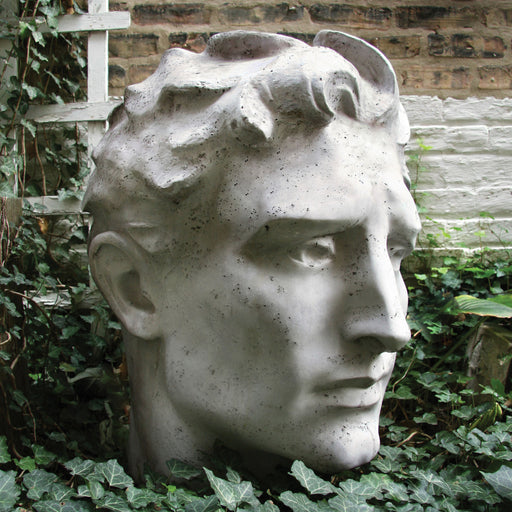
View Full DetailsSize: 30"H x 24"W x 24"DWeight: 30 poundsFinish as Shown: Cathedral WhiteCreated From Fiberstone, a Weather Resistant Mixture of Stone and Fibergla...
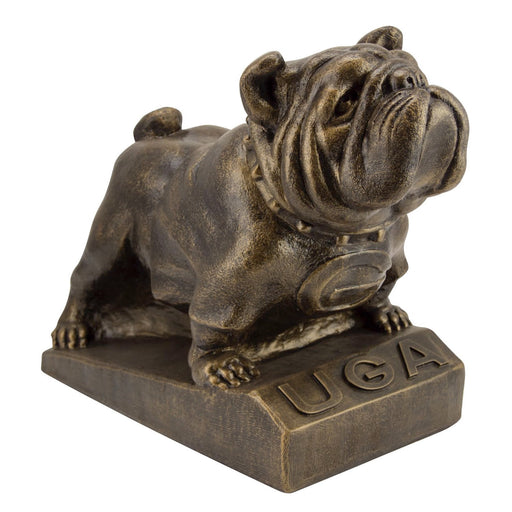
View Full DetailsSize: 14"H x 18"W x 8.5"D (54 lbs)Material: Cast StoneSuitable for Indoor/Outdoor UseOfficially Licensed ProductCertificate of Authenticity Include...
View Full DetailsOutdoor statues are available in a wide range of materials, including genuine bronze, fiberglass, fiberstone, resin, cast stone, steel, aluminum and other exterior-suitable materials. While many of these sculptures are intended for outdoor display, no material is completely maintenance-free. Long-term performance depends on the sculpture’s construction, finish, installation, exposure and local climate. Direct sunlight, salt air, heavy rainfall, freezing temperatures, snow, irrigation systems and repeated wet-and-dry cycles can all affect how a statue ages.
Genuine bronze is one of the most durable materials for year-round outdoor sculpture. It is commonly used for public monuments, fountains and architectural artwork because it can withstand decades of exterior exposure. Bronze does not typically deteriorate in the same way as resin or painted fiberglass, but its patina may gradually change as it reacts with moisture, air and environmental conditions.
Brown, black, green and multicolored patinas may deepen, lighten or develop additional variation over time. These changes are often considered part of bronze’s natural character. Periodic cleaning and the application of an appropriate protective wax can help slow patina changes and preserve the original appearance. Bronze sculptures should also be securely mounted when necessary, particularly in windy locations, public spaces or areas where accidental movement could occur.
Fiberglass is frequently used for large outdoor statues because it can provide substantial scale without the extreme weight of bronze or cast stone. When properly fabricated and protected with an exterior-grade finish, fiberglass can perform well outdoors. However, its painted or gel-coated surface may gradually fade, chalk or wear from prolonged ultraviolet exposure.
Impact damage, scratches or cracks should be repaired promptly because they can allow moisture to reach the underlying material. Fiberglass pieces should be placed on a stable surface and secured when appropriate, especially because their lighter weight can make larger sculptures more vulnerable to strong winds. A periodic application of a manufacturer-approved protective coating may help extend the life of the finish.
Outdoor resin statues are lightweight, detailed and often more affordable than bronze or cast stone. Many are suitable for seasonal or year-round exterior display, but the quality of the resin and protective finish can vary. Prolonged exposure to intense sunlight may cause fading, discoloration or brittleness, while repeated freezing and thawing can place stress on hollow or thin sections.
Resin statues generally last longer when positioned in a partially sheltered area, such as beneath a covered porch, near a wall or under tree cover. Bringing smaller pieces indoors during harsh winters can further reduce weather-related wear. Any chips in the finish should be sealed to prevent moisture from entering the sculpture.
Fiberstone is typically made from a blend of stone powder, fiberglass and resin. It provides the visual appearance of stone while remaining lighter and easier to handle. Fiberstone statues are commonly used outdoors, but they may be susceptible to water absorption and freeze-and-thaw damage if their protective finish becomes compromised.
The sculpture should be elevated slightly above the ground or placed on a well-drained surface so moisture cannot remain trapped beneath the base. Hollow pieces should not be allowed to fill with rainwater. In cold climates, covering the statue or moving it to a sheltered location during winter can reduce the risk of cracking.
Cast-stone and concrete statues are heavy, stable and well suited for gardens and landscaped settings. Their weight makes them less likely to shift in high winds, but their porous construction can absorb moisture. If absorbed water freezes and expands, it may contribute to surface flaking, cracking or internal damage.
A breathable masonry sealer may help reduce moisture penetration while still allowing trapped vapor to escape. Statues should not be placed directly in standing water or on soil that remains consistently wet. Inspect the sculpture periodically for cracks, particularly around thin features, seams and the base. In severe winter climates, covering or sheltering cast-stone pieces may help protect them from repeated freeze-and-thaw cycles.
Steel, iron and aluminum sculptures can also be suitable for outdoor display. Aluminum is naturally resistant to rust, while untreated steel and iron may oxidize when exposed to moisture. Some metal sculptures are intentionally designed to develop a weathered or rusted finish, while others rely on paint, powder coating or a clear protective layer.
Scratches and chips in a painted metal finish should be touched up promptly to reduce the chance of corrosion. Metal sculptures installed near saltwater, swimming pools or coastal environments may require more frequent cleaning and inspection because salt can accelerate corrosion.
Outdoor statues may be made from bronze, fiberglass, fiberstone, resin, cast stone, metal and other exterior-suitable materials. Many can remain outdoors throughout the year, but their durability and care requirements vary considerably by material, finish and climate. Genuine bronze is generally well suited for year-round outdoor display and may gradually develop natural changes in its patina over time. Fiberglass and resin statues are often suitable for exterior use, although prolonged sun exposure, severe temperature changes and standing moisture can eventually affect painted or protective finishes. Fiberstone and cast-stone pieces are durable but may be vulnerable to freeze-and-thaw damage if water enters small cracks or collects inside the sculpture.
For the best long-term results, place the statue on a level, well-drained surface and avoid locations where water can pool around the base. In regions with freezing winters, fountains and hollow sculptures should be completely drained, and more vulnerable pieces may benefit from a breathable outdoor cover or sheltered seasonal storage. Periodic gentle cleaning and inspection for chips, cracks, fading or finish wear can help prevent minor issues from becoming more significant. Because construction and finishing methods differ by manufacturer, always review the individual product’s outdoor-use and care recommendations before leaving it exposed year-round.
Proper placement can significantly extend the life of an outdoor statue. Set the sculpture on a level, stable and well-drained surface such as concrete, stone, masonry or compacted gravel. Avoid placing it directly in low areas where rainwater or irrigation runoff can collect. Vegetation should not remain constantly pressed against the sculpture, as this can trap moisture and encourage staining or biological growth.
Large, tall or lightweight statues may require anchors, mounting tabs, threaded rods or other secure attachment methods. This is especially important near walkways, public areas, swimming pools and locations exposed to strong wind. Heavy statues may require a reinforced concrete pad or professional installation.
In climates that experience freezing temperatures, water management is especially important. Fountains should be completely drained before freezing weather, and pumps should be removed or protected according to the manufacturer’s instructions. Drain holes should remain clear so water cannot collect inside hollow statues, bases or decorative cavities.
A breathable, water-resistant cover can help shield a sculpture from snow, ice and direct moisture while allowing condensation to escape. Avoid wrapping statues tightly in non-breathable plastic for extended periods, since trapped moisture may contribute to staining, mold or finish damage. Smaller or more vulnerable pieces may be best stored in a garage, shed or other protected location during winter.
Strong sunlight can fade painted finishes and gradually weaken some resins and protective coatings. In very sunny climates, positioning a statue where it receives partial shade may help preserve its color. Sprinklers should be directed away from the sculpture whenever possible because constant water exposure can produce mineral deposits, staining and finish deterioration.
Coastal environments can be especially demanding because salt air accelerates corrosion and finish wear. Statues near the ocean may require more frequent rinsing with fresh water, waxing, sealing or surface inspection.
Yes. Bronze patinas may gradually change when exposed to sunlight, rain, humidity, salt air, pollution and temperature fluctuations. Brown or black finishes may lighten or become more varied, while green and blue patinas may deepen or develop additional verdigris tones. This natural aging is often considered part of the character of genuine bronze.
Periodic application of a high-quality microcrystalline wax formulated for outdoor bronze can help slow these changes, reduce water spotting and preserve the existing patina. Wax typically provides a more natural, reversible protective layer and should be renewed periodically according to the product instructions and the sculpture’s exposure.
Some bronze sculptures are protected with a clear lacquer, acrylic clear coat or two-part protective coating applied over the patina. These products can provide longer-lasting protection than wax, particularly in coastal, humid or heavily exposed environments. However, a clear coat may change the sculpture’s sheen or color depth, and it can eventually cloud, peel, crack or wear unevenly. Once deterioration begins, the coating may need to be professionally removed and reapplied.
Do not use ordinary hardware-store spray lacquer, polyurethane or automotive clear coat unless the sculptor or manufacturer specifically approves it. The coating must be compatible with bronze and the existing patina. Before applying any wax or clear protective coating, clean the sculpture gently, allow it to dry completely and test the product on a small, inconspicuous area. For valuable, limited-edition or heavily weathered bronze sculptures, professional conservation or refinishing is recommended.
Large or heavy outdoor statues may require professional handling and installation, depending on their size, weight, material and intended placement. Many substantial sculptures must be positioned on a level, stable surface such as a reinforced concrete pad, masonry base or properly prepared pedestal. Some pieces may also require anchor bolts, threaded rods, mounting tabs or other secure attachment methods to help prevent movement or tipping.
Larger and heavier statues are generally delivered by freight carrier using curbside delivery. This means the carrier will deliver the shipment to the curb, driveway entrance or another accessible point at the delivery address. Curbside delivery does not typically include unpacking, moving the sculpture into its final location, assembly, installation, placement on a pedestal or removal of packaging materials.
The customer is responsible for arranging the equipment and labor needed to move the sculpture from the delivery point to its final location. Depending on the piece, this may require several people, a pallet jack, forklift, skid steer, crane, rigging equipment or a professional landscape or installation contractor. Customers should review the sculpture’s dimensions and estimated weight before delivery and make sure the property can accommodate the freight truck and any required handling equipment.
Professional installation is strongly recommended for very large, tall or heavy sculptures, as well as pieces being placed near walkways, pools, public areas or locations exposed to strong winds. Any foundation, anchoring or mounting requirements should be planned in advance so the site is prepared before the sculpture arrives.
The right outdoor statue does more than decorate a garden—it gives the space personality, meaning and a stronger sense of place. Whether positioned among flowers, beside a pathway or as a dramatic focal point, a thoughtfully chosen sculpture can transform an ordinary landscape into something memorable.
Begin by considering the mood you want to create. Classical figures bring elegance, animal sculptures add warmth and movement, religious statues create areas for reflection, and whimsical designs introduce charm and character.
Scale is also important. Smaller statues work well in planting beds, under trees and near seating areas, while larger pieces are better suited for open lawns, courtyards, entrances and expansive landscapes. Because sculptures often appear smaller outdoors, consider the viewing distance and surrounding architecture before selecting a size.
Material and finish also shape the statue’s appearance. Bronze offers timeless beauty and may develop natural changes in patina over time. Cast stone and fiberstone create a traditional garden look, while fiberglass and resin can provide impressive scale with less weight. Each material has different care and weather-exposure requirements.
Finally, consider how the sculpture will look throughout the day and across the seasons. Natural light, greenery and changing foliage can all influence its appearance. A well-placed statue should feel connected to its surroundings and become more meaningful over time.
Whether selected for beauty, symbolism, remembrance or enjoyment, the perfect outdoor statue is one that reflects your style and enhances the space around it.
{"one"=>"Select 2 or 3 items to compare", "other"=>"{{ count }} of 3 items selected"}